L-Carnitine
Rated 4.00 out of 5 based on 2 customer ratings
Earn up to 115 points.$25.00 – $115.00Price range: $25.00 through $115.00
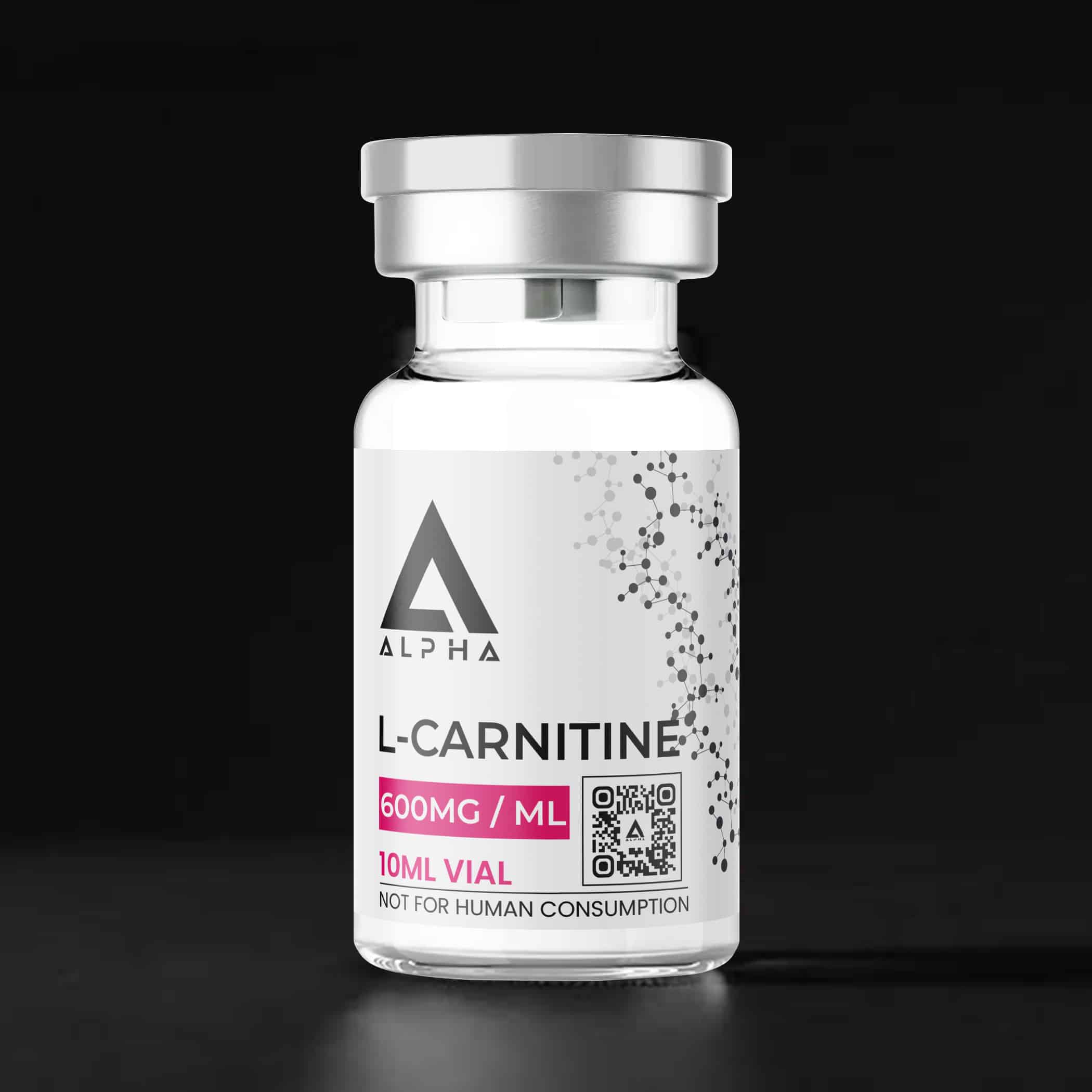
L-Carnitine – Cellular Energy and Fatty-Acid Metabolism Research Compound
Overview:
L-Carnitine is a naturally occurring amino acid–derived compound that plays a critical role in mitochondrial energy production and fatty-acid oxidation. Extensively studied in the fields of bioenergetics, metabolic optimization, and cellular physiology, L-Carnitine is a key subject for researchers exploring how cells convert long-chain fatty acids into usable energy.
As an essential co-factor for mitochondrial transport systems, L-Carnitine supports the movement of fatty acids into the mitochondrial matrix, enabling β-oxidation and ATP synthesis—core processes for sustaining cellular vitality and energy homeostasis.
Scientific Background:
Research demonstrates that L-Carnitine may influence a variety of cellular pathways linked to energy metabolism, oxidative stress balance, and lipid transport. It has been investigated for its potential effects on mitochondrial function, metabolic efficiency, and cellular recovery under conditions of stress or high energy demand.
L-Carnitine is also a prominent model compound in studies examining metabolic flexibility, glucose regulation, and oxidative resilience, making it valuable in both sports physiology and metabolic health research contexts.
Why Researchers Study L-Carnitine:
L-Carnitine is a cornerstone compound for investigating mitochondrial performance and metabolic regulation. Its well-documented role in cellular energy conversion makes it an essential reference molecule in studies exploring bioenergetic optimization, endurance metabolism, and cellular health. Researchers value its versatility for modeling fatty-acid oxidation, anti-oxidative defense, and adaptive mitochondrial signaling.
For Laboratory Research Use Only. Not for Human Consumption.